
Understanding the Role of Pets in Child Development and Family Dynamics
By Amara Okonkwo · · 4 min read
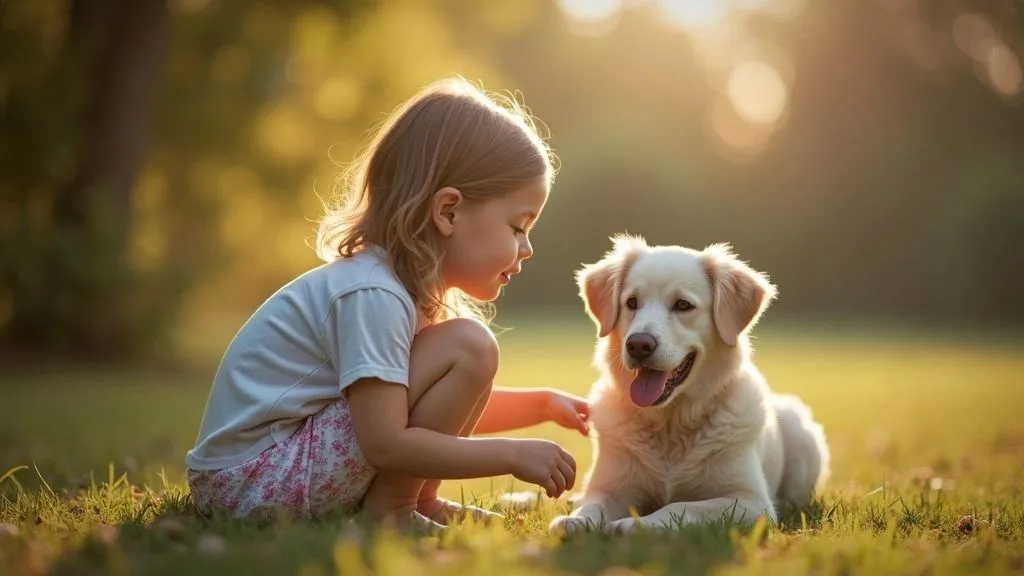
The inclusion of pets in family life is a phenomenon that transcends cultural boundaries. Families worldwide have long embraced the companionship of animals, not just for companionship but also for the profound impact they can have on children’s emotional and social development. This article delves into the multifaceted role pets play in fostering a nurturing family environment and how they contribute to a child’s growth.
The Emotional Benefits of Having Pets
Pets offer a unique emotional support system for children. The unconditional love and companionship provided by animals can help children develop empathy and compassion. Studies have shown that children who grow up with pets tend to exhibit higher levels of emotional intelligence. According to research published by the American Psychological Association, interacting with pets can reduce feelings of loneliness and anxiety among children, providing a comforting presence during challenging times.
Building Empathy and Responsibility
Caring for a pet requires a level of responsibility that can be beneficial for children. Feeding, grooming, and exercising a pet teaches children the importance of nurturing another being. This responsibility can enhance their sense of empathy as they learn to recognize the needs of their pets. Parents often report that their children become more considerate and kind as a result of this caregiving dynamic. Additionally, PetSmart Charities emphasizes the importance of involving children in pet care to cultivate a sense of accountability and growth.
Social Development Through Pet Interaction
Pets can be social catalysts, encouraging children to engage with both their animal companions and their peers. For instance, children who walk their dogs often strike up conversations with other dog owners, fostering social skills. These interactions can enhance a child’s ability to form friendships and navigate social situations.
Enhancing Communication Skills
Interacting with pets can also improve a child’s communication abilities. Talking to pets, whether to express affection or give commands, aids in language development. Pets do not judge or interrupt, which allows children to practice and refine their communication skills in a stress-free environment. Parents can further encourage this practice by prompting children to describe their pet’s behavior or feelings, leading to richer language use.
Physical Activity and Outdoor Exploration
Having a pet, particularly a dog, often encourages children to engage in physical activities. Regular walks, play sessions, and outdoor adventures not only contribute to a child’s physical well-being but also instill a love for nature and the outdoors. According to the Centers for Disease Control and Prevention (CDC), children who engage in regular physical activity experience numerous health benefits, including improved cardiovascular fitness and lower stress levels.
Creating Routines and Structure
Pets also help establish routines within the family. Feeding, grooming, and exercising a pet at specific times can create a structured environment, promoting stability for children. Routines are essential for child development, as they provide a sense of security and predictability. This structured approach can be particularly beneficial for children with special needs, including those on the autism spectrum, as it helps create a familiar environment where they can thrive.
The Therapeutic Effects of Pets
Animals have been used in therapeutic settings for years, and their benefits extend into family life. Animal-assisted therapy (AAT) has gained traction, showing positive outcomes for various emotional and psychological issues in children. The presence of a pet can serve as a calming influence, which can be particularly helpful for children dealing with anxiety or depression.
Fostering Resilience Through Loss
Pets also teach children about life cycles and loss. The experience of caring for a pet can help children understand the concept of mortality, fostering resilience. While it is undoubtedly painful, discussing the death of a pet can open avenues for children to express their feelings, cope with grief, and learn that loss is a part of life.
Choosing the Right Pet for Your Family
When considering adding a pet to your family, it is essential to choose one that aligns with your family’s lifestyle and dynamics. Here are a few factors to keep in mind:
Size and Space
Consider the size of the pet and the living space available. Larger breeds often require more room and exercise, while smaller pets may adapt better to confined spaces. For instance, cats can thrive in smaller apartments, while dogs generally need more outdoor space.
Activity Level
Evaluate your family’s activity level. Active families may benefit from high-energy dogs that enjoy outdoor play, while less active households might prefer a more laid-back pet. Assessing energy levels can help ensure that both the pet and family members are happy.
Allergies and Sensitivities
Be mindful of any allergies or sensitivities family members may have. Some pets, like certain dog breeds or cats, can trigger allergies in sensitive individuals. Consulting with a healthcare professional before making a decision can help prevent future complications.
Conclusion
Incorporating a pet into your family can yield numerous benefits for children, ranging from emotional support to enhanced social skills. Pets serve as companions, teachers, and even therapists, helping children navigate complex emotions and fostering a sense of responsibility and empathy. As you consider welcoming a pet into your home, reflect on your family’s lifestyle and choose a companion that best fits your dynamics. The impact of this decision can resonate throughout your child’s development and create lasting memories for the entire family.
For further reading on the benefits of pets in child development, check out The Humane Society and the comprehensive American Veterinary Medical Association resources for pet ownership guidelines.