
6 Creative Tips to Organize Your Home Office for Maximum Productivity
By Amara Okonkwo · · 4 min read
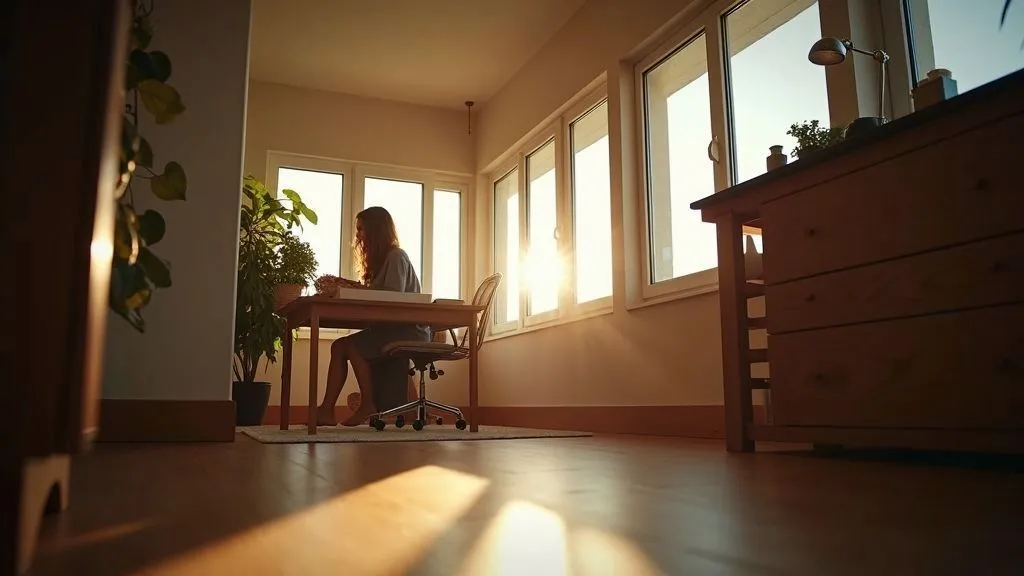
Setting up a productive home office is more important than ever. With many people working from home, creating an effective workspace can significantly influence your focus and efficiency. Below are six practical tips for organizing your home office that can help foster a more productive environment.
1. Choose the Right Location
The first step in organizing your home office is selecting the most suitable location. Ideally, your workspace should be quiet and free from distractions. Consider a room that has good natural light, as studies suggest that natural light can enhance mood and productivity.
If you can, avoid high-traffic areas like the living room or kitchen. Instead, opt for a spare room, a quiet corner of your bedroom, or even a dedicated nook in your house. This separation can help you mentally shift into work mode. For more detailed guidance on optimizing your space, check out the National Institute of Health.
2. Invest in Ergonomic Furniture
Comfort is key when it comes to productivity. Investing in ergonomic furniture can prevent discomfort and long-term health issues. A chair that supports your posture can make a significant difference during long hours of work. Look for chairs with adjustable heights and lumbar support to maintain a healthy spine position.
Additionally, consider a desk at the right height for your working style. Some people benefit from a standing desk, which can help with energy levels and reduce the risk of sedentary lifestyle-related problems. You can find more tips about ergonomic setups on the Occupational Safety and Health Administration’s website.
3. Create a Functional Layout
Once you have chosen the right location and furniture, think about how you arrange your office space. A functional layout can enhance your efficiency and workflow.
- Zoning: Designate specific areas for different activities. For instance, have a computer zone for typing and virtual meetings, a reading nook for reviewing documents, and a creative space for brainstorming.
- Accessibility: Keep frequently used items within arm’s reach. This means placing your computer, notebook, and other essential tools close by to minimize distractions.
- Declutter: Use organizers and storage solutions to keep your workspace tidy. A clutter-free environment can lead to a clutter-free mind, enhancing focus.
For more on efficient office layouts, refer to the American Psychological Association.
4. Personalize Your Space
Personalizing your home office can make it feel more inviting and unique to you. Adding elements that inspire you can create a positive atmosphere, boosting your creativity and motivation.
You might want to hang artwork, add plants, or include family photos. Plants, in particular, can improve air quality and even enhance your mood—factors that can contribute to increased productivity. According to a study published in the Journal of Environmental Psychology, greenery in the office can significantly improve mood and reduce stress.
5. Utilize Technology Wisely
In today’s digital age, the right technology can greatly enhance your home office experience. However, it is vital to utilize technology wisely to avoid distractions.
- Invest in Quality Equipment: Ensure your computer, printer, and any other necessary devices are of good quality and functioning well. This reduces frustration and increases efficiency.
- Use Organizational Tools: Take advantage of software and apps designed for project management, note-taking, and scheduling. Tools like Trello, Asana, or Google Workspace can keep your projects organized.
- Limit Digital Distractions: Use browser extensions or apps that block distracting websites during work hours. This can help maintain your concentration and keep you on task.
6. Establish a Routine
Finally, establishing a clear routine can significantly influence your productivity. Having set working hours helps create a division between your work and personal life, making it easier to focus during work hours.
- Dedicate Time for Breaks: Schedule regular breaks to avoid burnout. Short walks or simple stretches can refresh your mind and body.
- Set Goals: At the start of each workday, set specific goals. This will give you a clear focus and help measure your productivity.
Creating a routine may take some time and adjustments, but a well-defined structure can lead to increased productivity and a more satisfying work-life balance.
Conclusion
Organizing your home office effectively is a crucial step toward achieving optimal productivity. By choosing the right location, investing in ergonomic furniture, creating a functional layout, personalizing your space, utilizing technology wisely, and establishing a routine, you can create a workspace that enhances focus and creativity.
Remember, the ideal home office setup varies from person to person. Consider your specific needs and preferences when implementing these tips. With thoughtful organization and a structured approach, you can transform your home office into a productive haven.