
The Benefits of Raising Children with Pets: A Comprehensive Guide
By Amara Okonkwo · · 4 min read
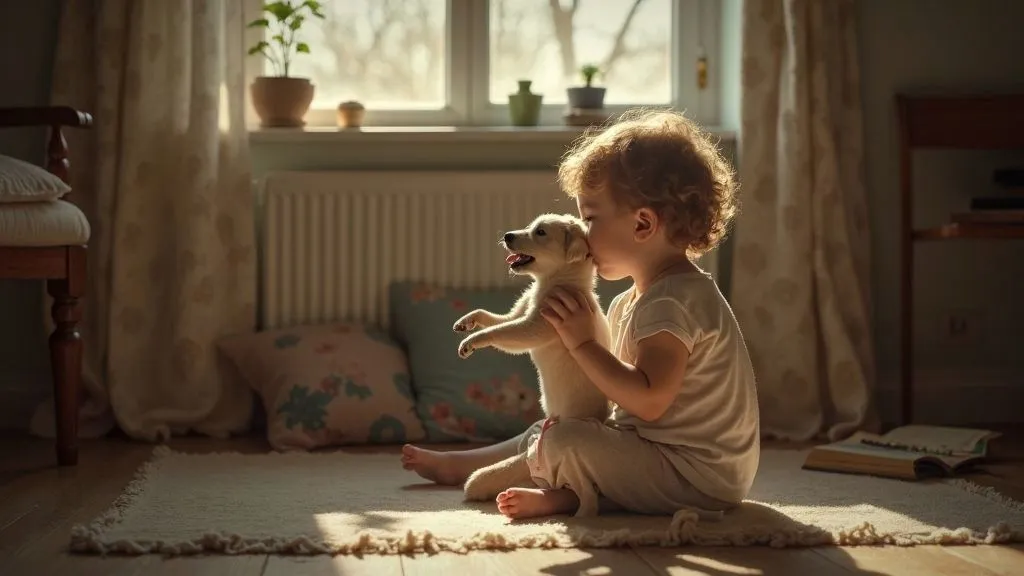
Raising children is a complex journey filled with many lessons and experiences. One increasingly popular approach is incorporating pets into the family dynamic. Having pets can provide children with invaluable life skills, emotional support, and even health benefits. This article delves into the various ways pets contribute positively to child development and family life.
The Emotional Benefits of Pets for Children
Companionship and Unconditional Love
Pets can serve as loyal companions for children, offering a sense of security and unconditional love. For many kids, pets are a source of comfort during challenging times. According to a study by the American Academy of Pediatrics, children who grow up with pets tend to be more empathetic and develop better emotional intelligence. This is largely attributed to the bond children form with their pets; they learn to care for and understand the feelings of another living being.
Reducing Anxiety and Stress
The presence of animals can significantly reduce anxiety and stress levels in children. Interacting with pets has been shown to lower cortisol levels (the stress hormone) and increase serotonin and dopamine, neurotransmitters that promote feelings of well-being. A pet’s affectionate nature can make children feel more secure and calm, which is particularly beneficial for those dealing with anxiety or social challenges.
Health Benefits of Having Pets
Physical Activity and Lifestyle
Having a pet, especially a dog, can encourage children to engage in physical activities. Regular walks, playtime, and outdoor adventures with a pet foster an active lifestyle. According to Healthline, children with pets are generally more active and have a lower risk of obesity. This not only promotes physical health but also contributes to improved mental health.
Building Immunity
Interestingly, children who grow up in homes with pets may have a stronger immune system. Exposure to pet dander, saliva, and other allergens can help build a child’s immune defenses. A study published in the journal Pediatrics suggests that early exposure to pets may decrease the likelihood of developing allergies and asthma.
Life Skills Learned Through Pet Ownership
Responsibility and Routine
Caring for a pet comes with a set of responsibilities. Feeding, grooming, and exercising a pet teach children about routines and the importance of accountability. These skills are transferable to other areas of life, including schoolwork and chores. It’s vital to involve children in the daily care of their pets, allowing them to take ownership of their responsibilities.
Empathy and Compassion
Caring for a pet fosters empathy in children. They learn to recognize and respond to their pet’s needs, which translates into greater compassion for others. When children see their pets experiencing joy, pain, or distress, they learn to develop emotional responses that contribute to better interpersonal relationships. This is especially important in a world that increasingly values emotional intelligence.
The Social Benefits of Pets
Facilitating Social Interactions
Pets can act as social catalysts, helping children make friends and build social skills. Walking a dog or visiting a pet park can lead to conversations with other pet owners, creating natural opportunities for social interaction. For shy or introverted children, pets can offer a sense of security and comfort in unfamiliar social situations.
Strengthening Family Bonds
Having a pet can also bring families closer together. Caring for a pet often requires teamwork, and sharing responsibilities can enhance family cohesion. Engaging in activities like training, grooming, or playing with a pet can create lasting memories and strengthen family ties. Spending time together as a family unit while caring for a pet fosters communication and enhances mutual understanding.
Considerations Before Getting a Pet
Assessing Family Readiness
While the benefits of pet ownership are numerous, it’s essential to assess your family’s readiness for the responsibility that comes with pet care. Consider factors such as lifestyle, time commitment, and financial resources. Not all pets require the same level of care—some may demand more attention and time than others.
Choosing the Right Pet
It’s also crucial to choose a pet that fits your family’s lifestyle. If you have young children, certain breeds of dogs may be more suitable than others. Additionally, consider the age and temperament of the pet. Visiting local shelters or reputable breeders and asking questions can help you make an informed decision.
Conclusion
Integrating pets into your family’s life can yield numerous emotional, social, and health benefits for your children. From fostering responsibility and empathy to encouraging physical activity and building immunity, pets can profoundly influence a child’s development. However, it’s essential to ensure that your family is fully prepared for the responsibilities involved in pet ownership. By carefully assessing your family’s needs and choosing the right pet, you can create a nurturing environment for both your children and your furry friends.
Ultimately, raising children alongside pets can enrich family life and create a supportive environment that benefits everyone involved.