
The Joys and Challenges of Raising a Child in a Multilingual Household
By Amara Okonkwo · · 4 min read
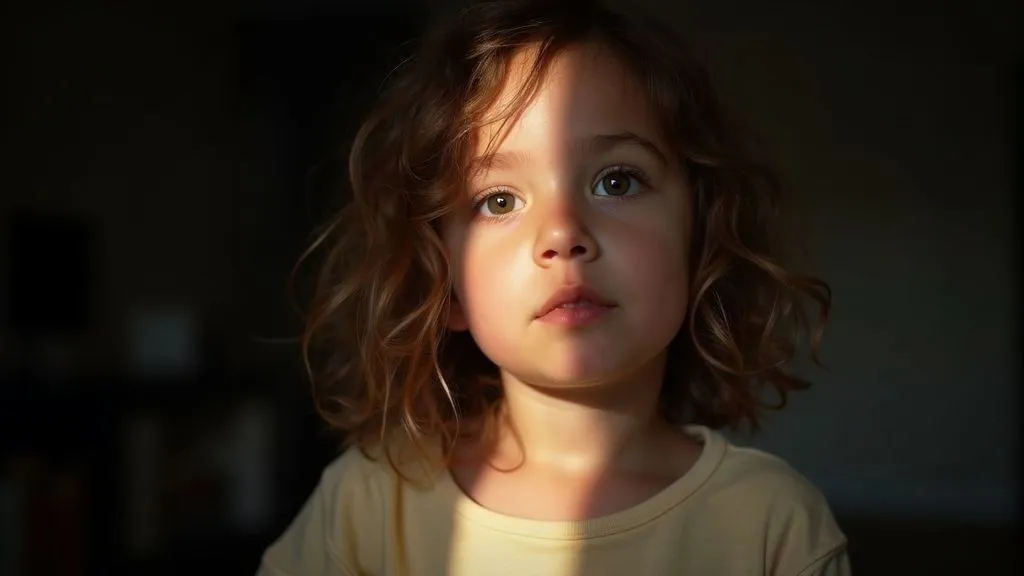
Raising children in a multicultural environment brings a wealth of experiences, but it also presents unique challenges, especially when it comes to language. Families around the world often find themselves navigating the complexities of raising multilingual children. This article explores the benefits, challenges, and practical strategies for successfully fostering bilingualism or multilingualism in your home.
Understanding Multilingualism
Multilingualism refers to the ability to communicate in multiple languages. In today’s globalized society, many families find themselves in situations where they may speak two or more languages at home. This can stem from a range of factors, including immigration, international business, or simply a family heritage that includes multiple languages. According to the European Commission, nearly half of Europeans can hold a conversation in at least one other language besides their mother tongue.
Benefits of Raising Multilingual Children
The advantages of growing up in a multilingual household are profound. Studies have shown that bilingual children often enjoy enhanced cognitive abilities, such as improved problem-solving skills and better multitasking. Furthermore, they exhibit greater creativity and flexibility in thinking. One key benefit is the ability to communicate with a wider range of people, fostering better social connections and cultural understanding.
Moreover, research from the American Academy of Arts and Sciences highlights that multilingual individuals often experience enhanced career prospects. In a world that increasingly values cross-cultural communication, being proficient in multiple languages can set children apart in their future academic and professional pursuits.
Challenges Families Face
While the benefits of multilingualism are substantial, it’s important to acknowledge the challenges that families may encounter.
Language Proficiency Balance
One common concern among parents is ensuring their children achieve a balanced proficiency in all languages spoken at home. Many families find that children gravitate towards the dominant language in their community, often at the expense of their heritage languages. This can lead to a situation where one language is stronger, potentially creating a divide in the child’s ability to connect with relatives or specific cultural traditions.
Navigating Complexities
Another challenge is managing the different contexts in which each language is used. For instance, a child might speak one language at home and another at school, which can lead to confusion and mixed-language usage. Parents need to be mindful of how these linguistic transitions occur and support their children in navigating them.
Practical Strategies for Raising Multilingual Children
To successfully raise multilingual children, parents can adopt several effective strategies.
Create a Language-rich Environment
One of the best ways to support multilingual development is to immerse children in a language-rich environment. This can be achieved by:
-
Reading Books: Incorporate books in each language into daily routines. This not only enriches vocabulary but also fosters a love for reading.
-
Music and Media: Use songs, movies, and shows in various languages. Engaging children through entertainment can make learning feel less like a chore.
-
Conversations: Encourage regular conversations in each language. This could be family discussions, storytelling sessions, or even playful debates.
Establish Language Days or Times
Designate specific days or times for speaking each language. For example, you might speak one language during the weekdays and switch to another on weekends. This can help children understand the context in which each language is used and encourage them to switch appropriately.
Leverage Community Resources
Engaging with community resources can significantly enhance the multilingual experience. Many cities offer cultural programs, language classes, and playgroups tailored for multilingual families. Organizations such as Multilingual Parenting provide valuable resources and support networks.
Encourage Interaction with Extended Family
Facilitating interactions with extended family members who speak the target languages can be a great way to reinforce language skills. Regular calls or video chats with grandparents or family members can help children feel connected to their heritage and practice their language skills in a meaningful context.
Addressing Common Concerns
Parents often worry about their children’s academic performance or cognitive development when raising multilingual children. However, research consistently shows that multilingualism does not hinder cognitive abilities; instead, it can enhance them. Children often face minor challenges in language development, such as mixing languages, but these are typically normal phases and improve with time and practice.
Seeking Professional Guidance
If parents notice significant delays or challenges in language acquisition, consulting a speech-language pathologist can provide insights and tailored strategies. Early intervention can be beneficial and help address concerns effectively.
Conclusion
Raising multilingual children is a rewarding journey filled with both joys and challenges. By understanding the complexities of multilingualism and employing effective strategies, parents can cultivate a rich linguistic environment. The benefits—cognitive, social, and cultural—far outweigh the challenges. Children will not only learn to communicate in multiple languages but will also develop a deep appreciation for diverse cultures, setting them up for success in an interconnected world.
By fostering an atmosphere of language learning and cultural appreciation, families can nourish multilingual children who are equipped to navigate an increasingly globalized society.