
6 Creative Tips for Organizing Your Home Office Space
By Amara Okonkwo · · 3 min read
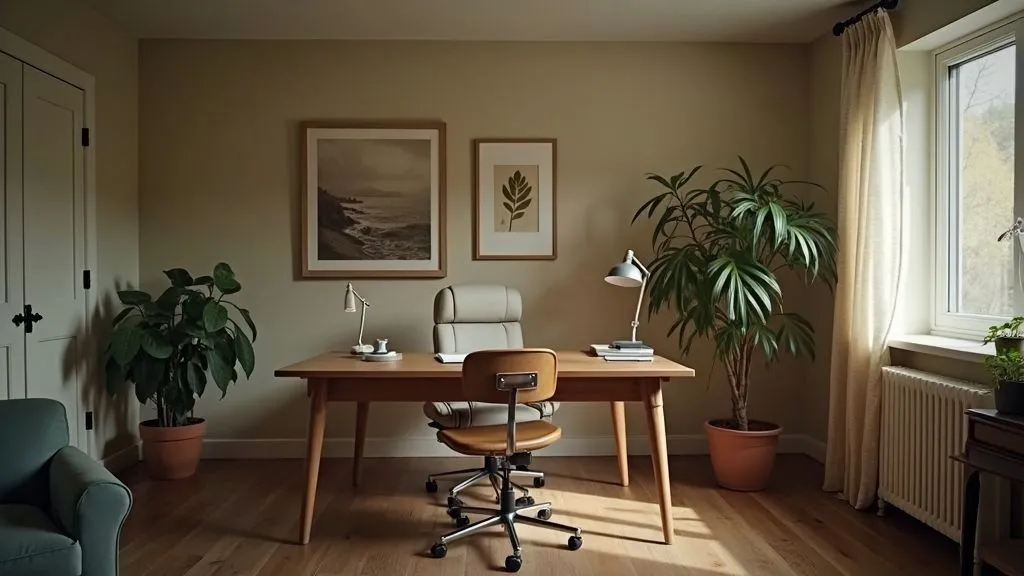
Creating a functional and pleasant workspace at home can significantly enhance productivity, especially for parents balancing work and family responsibilities. With remote work becoming increasingly common, it’s essential to design a home office that fosters creativity and focus. Here are six effective tips to help you organize your workspace in a way that meets both your professional needs and your home environment.
1. Define Your Space
Before you can organize your home office effectively, you need to define what “workspace” means for you. Whether you have a separate room or just a corner of your living space, it’s important to establish boundaries. Consider the following when determining your workspace:
-
Physical Setup: Choose a location that minimizes distractions and allows for ample natural light. If possible, avoid areas with high foot traffic, such as the living room or kitchen.
-
Designate Zones: If your office is shared with other household activities, consider zoning your space. Use furniture or room dividers to create a visual boundary between work and home life, making it easier to switch between roles.
2. Optimize Your Desk Area
Your desk is the heart of your home office. A well-organized desk can help you stay focused and efficient. Here are some ways to optimize your desk area:
-
Declutter: Keep only the most essential items on your desk. A clean workspace reduces distractions and promotes a clearer mind. Use desk organizers to store pens, notepads, and other supplies.
-
Ergonomics Matter: Invest in an ergonomic chair and position your computer monitor at eye level to prevent strain. According to the Occupational Safety and Health Administration (OSHA), proper ergonomics can significantly reduce the risk of workplace injuries.
3. Utilize Vertical Space
For many, space is a premium in a home office. One effective way to maximize your area is by utilizing vertical space. This can be beneficial in keeping your desk clear and organized:
-
Shelving: Install shelves above your desk to store books, files, or decorative items. This keeps essentials within reach while freeing up horizontal space.
-
Wall-Mounted Organizers: Consider wall-mounted organizers for notes, schedules, or supplies. These can help keep important items visible and easily accessible, reducing clutter on your desk.
4. Personalize Your Space
While functionality is key, personalizing your workspace can make it more inviting and inspiring. Here are some ways to inject your personality into your office:
-
Inspiring Decor: Hang artwork, motivational quotes, or photographs that resonate with you. A well-decorated space can boost your mood and creativity.
-
Plants: Incorporate some greenery. Studies show that having plants in your workspace can reduce stress and increase productivity.
5. Establish a System for Organization
A systematic approach to organization can save you time and frustration. Here are various methods you can implement:
-
Filing System: Create a digital and physical filing system for documents. Use folders or binders to categorize files and make them easy to locate. Digital tools like Google Drive or Dropbox can help you store documents securely and access them from anywhere.
-
Task Management Tools: Utilize task management apps like Trello or Todoist to keep track of your projects and deadlines. These tools allow you to prioritize tasks and maintain an overview of your workload.
6. Maintain a Flexible Routine
Finally, establishing a flexible routine can help you stay organized and effective while working from home. With kids at home, it’s crucial to adapt to changing circumstances. Here’s how to create a balanced routine:
-
Set Working Hours: Define specific working hours to signal when you are “at work.” This helps family members understand when you should not be interrupted.
-
Breaks and Family Time: Schedule regular breaks throughout your day. Use these moments to connect with your children, ensuring that you remain engaged with your family while maintaining productivity.
Conclusion
Organizing your home office space doesn’t have to be overwhelming. By defining your workspace, optimizing your desk area, utilizing vertical space, personalizing your space, establishing a system for organization, and maintaining a flexible routine, you can create an environment conducive to productivity and creativity. As you navigate the challenges of remote work and parenting, a well-organized workspace becomes not just an accessory but a necessary tool in achieving your goals.
For further insights on enhancing productivity and creating a harmonious work-life balance, you might check resources like Verywell Mind and Mindful, which offer a wealth of information on mental well-being and effective working habits.