
The Art of Parenting: Cultivating Emotional Intelligence in Children
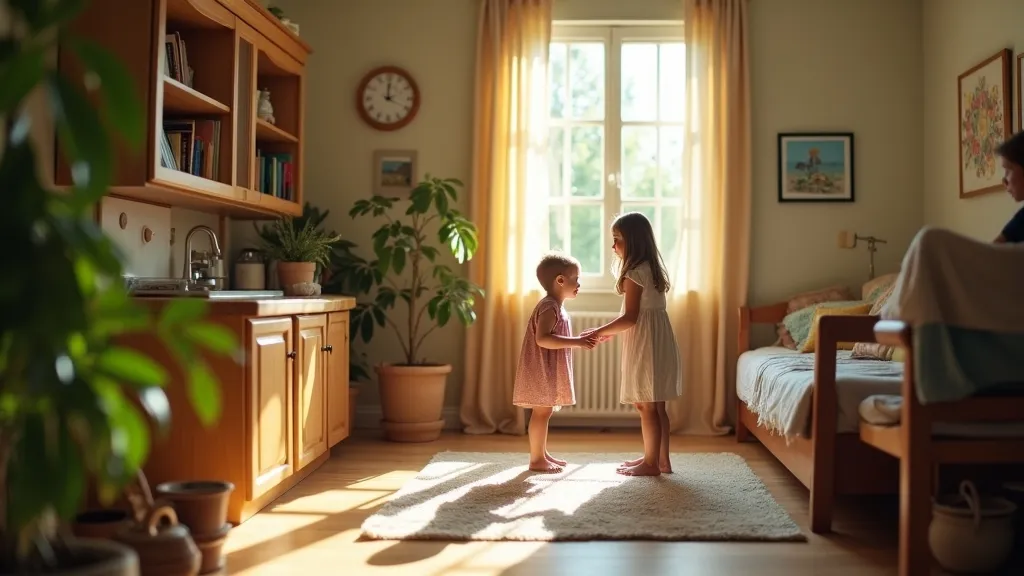
The Art of Parenting: Cultivating Emotional Intelligence in Children
Parenting is an intricate dance, a blend of love, guidance, and the occasional misstep. One of the most critical aspects of this journey is fostering emotional intelligence in children. Emotional intelligence (EI) encompasses self-awareness, empathy, and the ability to manage emotions, which are essential life skills. Research conducted by the Yale Center for Emotional Intelligence shows that children with high EI outperform their peers academically and socially. The challenges of parenthood can often sidetrack us, but nurturing these essential skills can elevate not just our children’s lives, but the family dynamic as a whole.
Understanding Emotional Intelligence
Emotional intelligence refers to the ability to recognize, understand, and manage our emotions, as well as to recognize, understand, and influence the emotions of others. Daniel Goleman, a prominent psychologist, popularized the term in the mid-1990s, outlining five key components: self-awareness, self-regulation, motivation, empathy, and social skills. Each of these elements plays a pivotal role in how children interact with their surroundings, manage stress, and build relationships.
According to a study published in the journal Child Development, children with higher emotional intelligence tend to have more robust social relationships and perform better academically. In fact, 70% of success in life can be attributed to emotional intelligence rather than intellectual quotient (IQ). This data underscores the importance of nurturing these skills early on.
The Problem: Lack of Emotional Intelligence in Children
Despite its significance, many children struggle with emotional intelligence. A study by the Collaborative for Academic, Social, and Emotional Learning (CASEL) indicates that about 1 in 5 children experience challenges in managing emotions effectively. Factors contributing to this lack of EI include:
- Increased Screen Time: With more children engaged in digital interactions, the opportunities for face-to-face communication, which fosters empathy and social skills, have diminished.
- Pressure to Succeed: The emphasis on academic and extracurricular achievements can overwhelm children, leaving little room for emotional expression.
- Limited Emotional Vocabulary: Many children lack the language to express their feelings, leading to misunderstandings and frustration.
Addressing the Challenge: Cultivating Emotional Intelligence
The journey to cultivating emotional intelligence in children isn’t a quick fix; it requires patience, practice, and intentionality. However, parents can take proactive steps to help their children strengthen their emotional skills. Here are some strategies:
1. Model Emotional Intelligence
Children learn by example. Displaying emotional intelligence in your interactions can teach your children by proxy. Practice self-awareness by articulating your feelings, showing empathy towards others, and demonstrating effective emotional regulation strategies. This modeling sets a standard for your children to emulate.
2. Encourage Open Communication
Creating an environment where feelings can be expressed without judgment is crucial. Encourage your child to share their emotions, ask questions like “How did that make you feel?” or “What do you think about that?” This not only validates their emotions but also expands their emotional vocabulary.
3. Teach Empathy
Empathy can be nurtured through stories and real-life experiences. Discuss characters’ feelings in books and movies, and relate them to your child’s feelings. Role-playing exercises can also be effective; put your child in situations where they must consider another person’s perspective.
4. Foster Problem-Solving Skills
When your child faces a challenge, guide them through the process of identifying their emotions and brainstorming solutions. This approach not only empowers children to manage their feelings but also cultivates resilience.
5. Limit Screen Time
Encourage activities that promote face-to-face interaction, such as family game nights or outdoor adventures. This will help your child practice social skills and emotional regulation in real-time.
6. Create a Routine for Reflection
Establishing a daily or weekly ritual for reflection can help children process their experiences. This could be as simple as a family dinner discussion where everyone shares their highs and lows of the day, promoting understanding and emotional awareness.
Expert Perspectives on Emotional Intelligence
Experts in child psychology emphasize the importance of emotional intelligence in forming healthy relationships. Dr. Marc Brackett, Director of the Yale Center for Emotional Intelligence, states, “Emotional intelligence is a skill that can be taught. It’s not just about being smart; it’s about being emotionally smart.” This echoes the sentiment that promoting emotional skills can lead to lifelong benefits.
Furthermore, Dr. John Gottman, a renowned psychologist and author, emphasizes that “emotional coaching” can significantly affect a child’s emotional development. His research suggests that children who receive emotional coaching from their parents are more likely to exhibit emotional intelligence, resilience, and even lower levels of stress.
Measuring Emotional Intelligence in Children
Assessing emotional intelligence can be done through various methods, from informal observations to structured assessments. The Emotional Quotient Inventory: Youth Version (EQ-i:YV) is a standardized assessment tool that measures a child’s emotional skills. While not commonly used outside professional settings, understanding its components can help parents gauge their child’s emotional capabilities.
- Self-Assessment: Encourage older children to evaluate their emotional awareness and skills through guided reflection.
- Observation: Pay attention to your child’s reactions in social settings or during conflicts. Are they recognizing and sharing their feelings?
- Feedback: Engage with teachers or caregivers to gather insight into how your child interacts with peers and handles emotions.
The Broader Impact of Emotional Intelligence
Beyond the immediate family unit, cultivating emotional intelligence in children has far-reaching effects on society. Studies show that workplaces increasingly value emotional intelligence, correlating it with leadership potential and team collaboration. A survey by the World Economic Forum suggests that emotional intelligence will be among the top skills needed for the modern workforce.
Moreover, fostering EI in children can lead to decreased rates of bullying and violence. A meta-analysis by the University of Illinois indicated that social-emotional learning programs reduced bullying incidents by 19% and improved school climate.
Conclusion: The Path Forward
Navigating the complexities of parenting is undoubtedly challenging, but the rewards of nurturing emotional intelligence in children are immense. Not only does it equip them with foundational life skills, but it also strengthens family bonds and fosters healthier social relationships.
By practicing the strategies outlined above, parents can cultivate emotionally intelligent children who are better equipped to face life’s challenges. As you embark on this journey, remember that every step you take towards enhancing your child’s emotional skills contributes to a more empathetic, resilient, and understanding future generation.
For further insights on parenting strategies, consider exploring our article on 10 Key Parenting Strategies for Raising Resilient Children, which provides additional ways to foster resilience and emotional strength in your children.