
A Comprehensive Guide to Choosing the Perfect Desk for Your Home Office
By Amara Okonkwo · · 4 min read
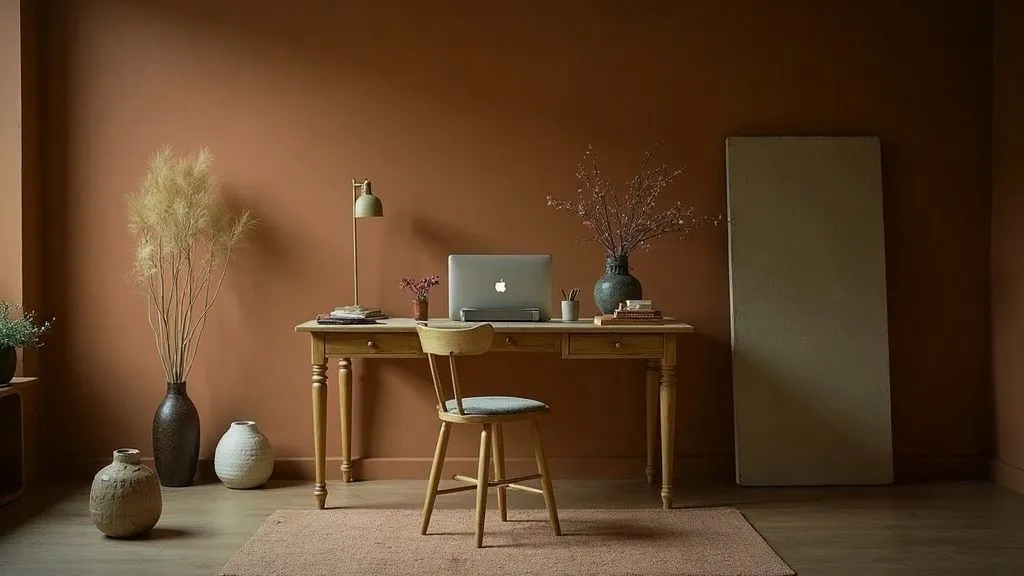
Creating a productive workspace at home is essential, especially for parents juggling work and family responsibilities. One of the most crucial components of your home office is your desk. A well-chosen desk can enhance your productivity, improve your posture, and create a more pleasant working environment. With so many options available, how do you select the best desk for your specific needs? This article will guide you through the process of choosing the ideal desk for your home office.
Understanding Your Needs
Before diving into the specifics of desk types and features, it’s important to assess your needs. Consider the following factors:
1. Space Availability
Measure the area where you plan to set up your desk. Knowing the dimensions will help you avoid choosing a desk that’s too large or too small. It’s important to leave enough space for movement and to incorporate additional elements like chairs or storage.
2. Work Requirements
What tasks will you be performing at your desk? If you’re primarily using a computer, you might need a different setup compared to someone who does a lot of writing or crafting. Consider the tools and materials you need access to during your work hours.
3. Ergonomics
Ergonomics should always be a priority. Choose a desk that allows you to maintain a comfortable posture while working. This includes considering the height of the desk and ensuring your monitor is at eye level to reduce strain on your neck and shoulders.
Types of Desks to Consider
Once you’ve evaluated your needs, it’s time to explore the different types of desks available. Each type has its unique features and benefits.
1. Traditional Desks
Traditional desks are characterized by their straightforward design and typically include a flat surface and one or more drawers. They are ideal for a variety of tasks, from writing to computer work. When choosing a traditional desk, look for one with enough surface area for your work materials.
2. Standing Desks
Standing desks have gained popularity due to their health benefits. By allowing you to alternate between sitting and standing, these desks can help reduce back pain and improve posture. Some models are adjustable, enabling you to switch heights easily. If you decide on a standing desk, ensure it comes with an anti-fatigue mat for added comfort.
3. Corner Desks
If space is a premium, a corner desk can be an excellent choice. They maximize your available workspace while fitting snugly into a corner. Corner desks are often more compact and can still provide ample surface area for your computer and other work materials.
4. L-Shaped Desks
An L-shaped desk provides a more expansive workspace and is ideal for those who need extra room for tools, documents, or collaboration. This type of desk can accommodate multiple monitors and still leave space for writing or crafting.
5. Modular Desks
Modular desks offer flexibility, as they can be reconfigured to suit your changing needs. This adaptability is particularly beneficial for parents who might need to transition between work and family activities throughout the day.
Key Features to Look For
After selecting a type of desk, it’s time to consider specific features that will enhance your work experience.
1. Storage Solutions
Look for desks that come equipped with drawers or shelves. Storage solutions are essential for keeping your workspace organized, allowing you to access essential items quickly without cluttering your desk surface.
2. Cable Management
With multiple devices and chargers, managing cables can become a daunting task. Some desks come with built-in cable management systems that help keep cords organized and out of sight. This feature not only enhances aesthetics but also reduces the risk of tripping hazards.
3. Surface Material
The material of the desk surface can affect both the appearance and functionality. Common materials include wood, metal, and laminate. Consider how each material will suit your style and needs. For instance, a wooden surface may offer a classic look, while laminate can provide durability and easy maintenance.
4. Adjustable Height
As previously mentioned, adjustable height desks are becoming increasingly popular. Consider a desk that allows you to customize the height even if you prefer sitting. This flexibility can cater to both you and family members who might share the workspace.
5. Style and Aesthetics
Your desk should reflect your personal style and fit seamlessly into your home office decor. Whether you prefer a modern look or something more traditional, select a design that resonates with you. A well-styled desk can also inspire creativity and productivity.
Budgeting for Your Desk
When selecting a desk, it’s essential to establish a budget. Desks can range significantly in price based on materials, brand, and features. Invest in a quality desk that meets your needs without breaking the bank. Sometimes, spending a little more can lead to a desk that lasts longer and better suits your requirements.
Trial and Error
Finding the perfect desk might require some trial and error. If possible, test out a desk in-store before making a purchase. Pay attention to how it feels when you sit down to work. Does it offer enough space? Is it comfortable? This hands-on approach can help you avoid making a costly mistake.
Conclusion
Choosing the right desk for your home office is a significant decision that can impact your productivity and comfort. By carefully considering your needs, evaluating different types of desks, and paying attention to essential features, you can find a desk that enhances your workspace. Remember, investing in a quality desk is an investment in your productivity and overall well-being. Take your time, explore your options, and select a desk that aligns with your lifestyle and work requirements.