
Understanding the Emotional and Social Benefits of Pets for Children
By Amara Okonkwo · · 4 min read
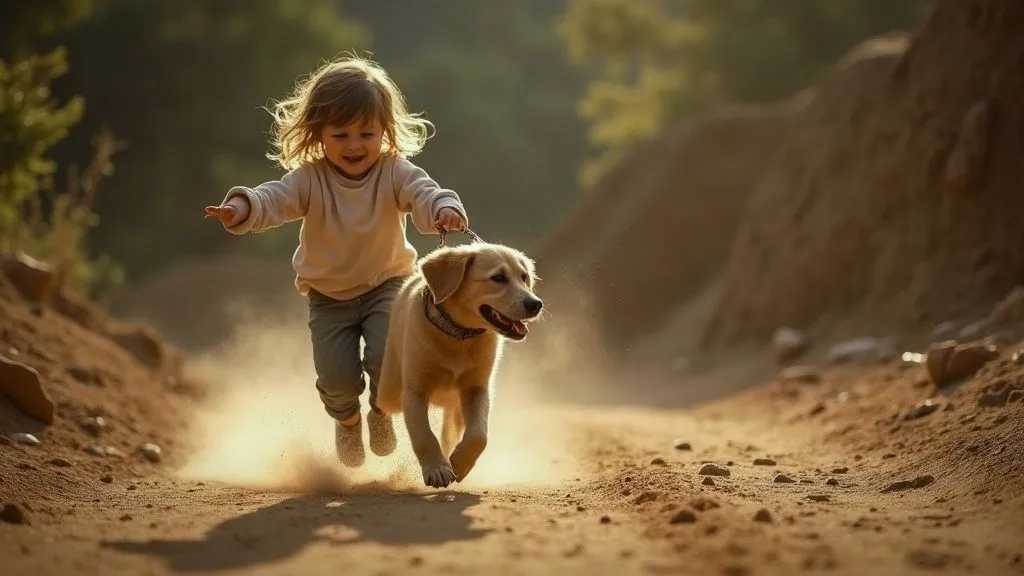
Pets have long been considered part of the family, but their influence on children’s development often goes unnoticed. Beyond providing companionship, animals can play a significant role in nurturing emotional intelligence and promoting social skills. This article explores the various ways pets enrich children’s lives and highlights the importance of responsible pet ownership.
The Emotional Bond Between Children and Pets
Developing Empathy and Compassion
One of the most profound benefits of having a pet is the development of empathy. Children learn to care for their pets, understanding that their furry friends have feelings and needs just like they do. This relationship helps foster compassion, teaching kids to recognize and respond to the emotions of others.
When a child pets a dog or cuddles a cat, they learn the importance of gentle touch and attentive interaction. Observing the joy or discomfort of their pets allows children to practice empathy in a safe environment. This foundational skill can translate into their interactions with other people, making them more understanding and kind-hearted individuals.
Reducing Anxiety and Stress
Pets can act as a comforting presence for children, especially during times of stress. The unconditional love and companionship offered by animals can significantly reduce anxiety levels. For instance, children facing social pressures, academic challenges, or personal issues often find solace in their pets.
The act of petting an animal releases oxytocin, a hormone associated with bonding and stress reduction. In moments of distress, a child may choose to spend time with their pet, finding peace in the simple act of caring for another living being. Studies have shown that children who own pets often report lower levels of anxiety and depression, highlighting the therapeutic benefits pets can provide.
Enhancing Social Skills Through Pet Interaction
Building Communication Skills
Having a pet can also encourage children to communicate more effectively. Whether it’s talking to their pet or discussing their responsibilities with family members, these interactions enhance verbal skills. Children often narrate their thoughts and feelings to animals, creating an environment where they feel comfortable expressing themselves.
Moreover, pets can serve as social bridges for children. When kids take their dogs for walks, they’re likely to meet other pet owners and strike up conversations, fostering new friendships. This interaction helps improve their communication skills and boosts confidence in social situations.
Encouraging Teamwork and Responsibility
Caring for a pet is a collective effort that can teach children the value of teamwork and responsibility. When family members share the duties of feeding, grooming, and exercising a pet, kids learn to collaborate and appreciate the contributions of others. These experiences instill a sense of accountability, as children understand that their pets rely on them for care.
Additionally, assigning specific tasks to children fosters a sense of ownership. When they take part in their pet’s daily routines, kids feel more invested in the animal’s well-being. This practice not only builds responsibility but also reinforces the idea that their actions directly impact others, a lesson that extends well beyond the pet-care scenario.
Promoting Active Lifestyles
Encouraging Physical Activity
Pets can also motivate children to lead more active lifestyles. Dogs, in particular, require regular exercise, which encourages kids to engage in outdoor activities. Whether it’s playing fetch, going for long walks, or participating in agility training, having a pet inspires children to be more physically active.
This active lifestyle is important for children’s physical health, helping to combat obesity and promote overall well-being. Regular physical activity is crucial for developing strong bones and muscles, improving cardiovascular health, and boosting mood. In this way, pets serve not just as companions but also as catalysts for a healthier lifestyle.
Educational Opportunities
Learning About Responsibility and Care
Owning a pet provides numerous educational opportunities for children. They learn the importance of caring for another living being, understanding their pet’s dietary needs, hygiene, and health care. Kids can be taught about proper nutrition and the significance of regular vet check-ups, which cultivates a sense of responsibility.
Additionally, children can gain valuable lessons in biology and animal behavior. Observing how pets interact with their environment can spark curiosity about nature and wildlife. This engagement can lead to a lifelong interest in animals and science, fostering a love for learning.
Developing Problem-Solving Skills
Children often encounter challenges while caring for a pet, from dealing with behavioral issues to understanding health concerns. These situations require critical thinking and problem-solving skills. For example, if a dog refuses to eat, the child might need to figure out why, whether it’s due to stress, illness, or simply a change in diet.
Navigating these challenges can enhance a child’s analytical skills. They learn to assess situations, consider options, and implement solutions. Such experiences contribute to greater resilience and adaptability, qualities that are essential in various aspects of life.
Conclusion: Weighing the Responsibilities
While the benefits of pet ownership for children are extensive, it’s essential to recognize the responsibilities that come with it. Families must ensure they have the time, resources, and commitment to care for a pet properly. This commitment includes providing adequate exercise, nutrition, training, and medical care.
Ultimately, the decision to bring a pet into a child’s life should be made thoughtfully. When approached with care and consideration, pets can be invaluable partners in a child’s growth, offering emotional support, social enrichment, and countless learning opportunities. The right pet can become a cherished member of the family, contributing positively to a child’s development for years to come.